Clubhouse Font for Modern Web Design
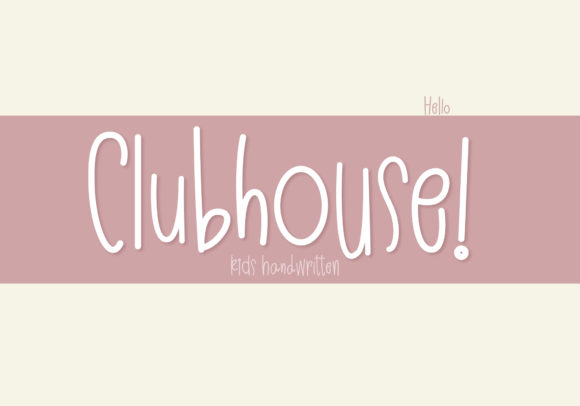
Clubhouse is a fresh, unique script font with a carefree attitude and a playful edge. As a web designer, I’ve found it to be an excellent choice for adding personality to digital projects without sacrificing readability or brand consistency.
Visual Characteristics and Style
Clubhouse features soft curves, subtle variations in stroke weight, and a hand-drawn feel that gives it a natural, organic look. Its character set includes a range of ligatures and alternates, making it ideal for creating visually engaging content. The font has a modern yet approachable aesthetic that works well across a variety of design contexts.
The PUA encoding allows for easy access to special characters and stylistic alternates, which can be used to customize text elements such as logos, headers, and call-to-action buttons. This flexibility makes Clubhouse suitable for both decorative and functional typography on the web.
Using Clubhouse in Web Design
Clubhouse shines when used for hero titles, section headings, and other prominent text elements. Its dynamic letterforms add visual interest while maintaining legibility. For example, using Clubhouse on a creative portfolio site can help establish a strong brand identity that feels both professional and personable.
In online stores, this font can be applied to product banners or promotional headlines to draw attention and create a sense of exclusivity. It also works well in social media graphics, where a playful tone can enhance user engagement and brand recall.
When designing landing pages, Clubhouse can be used for primary headlines or CTA buttons. However, it’s important to ensure that the font remains readable at smaller sizes, especially on mobile devices. Pairing it with a clean sans serif font for body copy helps maintain a balanced hierarchy and improves overall readability.
Readability and Responsive Design
While Clubhouse is a display font, its readability is surprisingly good for short phrases and titles. When using it on websites, consider the context and size. For instance, avoid using it for long paragraphs or small text elements like navigation links or footers.
On mobile screens, ensure that Clubhouse is used sparingly and with sufficient contrast against backgrounds. Testing different weights and spacing options can help optimize legibility across various screen sizes and resolutions.
For dark backgrounds, use light-colored text to maintain visibility. If the background is light, a darker color will provide better contrast. These considerations are essential for ensuring that Clubhouse enhances rather than hinders user experience.
Font Pairing and Brand Identity
Clubhouse pairs well with a wide range of fonts, depending on the desired tone and style. For a more modern, minimal look, pairing it with a sleek sans serif font like Helvetica or Montserrat can create a balanced and professional appearance.
If you're aiming for a more editorial or artistic feel, consider combining Clubhouse with a serif font such as Georgia or Merriweather. This combination can work well for blog headers, magazine-style layouts, or editorial design projects.
Font pairing should always support the brand’s voice and message. Clubhouse brings a sense of creativity and approachability, so it's best suited for brands that want to convey a friendly, innovative, or artistic image.
Commercial Use and Licensing
As a commercial font, Clubhouse requires proper licensing for use in websites, client projects, and digital products. Always check the license agreement to ensure that it covers all intended uses, including embedding in webfonts, use in online stores, and distribution through digital templates or brand assets.
When working on client projects, make sure to obtain the necessary permissions and confirm that the font is compatible with the platform or framework being used. Some font services offer webfont packages that include CSS and font files for easy integration into HTML and CSS projects.
Practical Applications
Clubhouse is versatile enough to be used in a variety of digital contexts. Here are a few practical examples:
- Creative Portfolio Sites: Use Clubhouse for project titles and taglines to give your work a personal and artistic touch.
- Boutique Online Stores: Apply it to promotional banners or collection headers to evoke a sense of luxury and exclusivity.
- Coaching Websites: Incorporate it into headline sections to create a warm, inviting atmosphere.
- Product Landing Pages: Use it for feature headings to highlight key benefits in a visually appealing way.
- Digital Brand Kits: Include Clubhouse as part of a curated font selection for consistent branding across multiple platforms.
By thoughtfully integrating Clubhouse into your designs, you can elevate the visual appeal of your projects while maintaining a clear and effective communication strategy.